ProductsColesColes Rosemary Crackers
Coles Rosemary Crackers
Barcode 9300601931316
Coles

Coles Rosemary Crackers

170 g
BARCODE:9300601931316
CATEGORIES:Snacks, Salty Snacks, Appetizers, Biscuits And Crackers, Crackers Appetizers
LABELS:No Artificial Flavors, No Artificial Colors, No Artificial Colours Or Flavours
PACKAGING:Box
COUNTRIES:Australia
STORES:Coles

Health

Nutrition

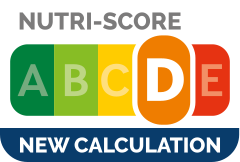
Nutri-Score

DLower nutritional quality

Nutri-Score data warning

Warning: the amount of fruits, vegetables and nuts is not specified on the label, it was estimated from the list of ingredients: 2

Nutrient levels

Fat in high quantity (20.8%)
What you need to know • A high consumption of fat, especially saturated fats, can raise cholesterol, which increases the risk of heart diseases. Recommendation: Limit the consumption of fat and saturated fat • Choose products with lower fat and saturated fat content. Source: National Health Service UK (NHS) - Fat: the facts
Saturated fat in low quantity (0.4%)
What you need to know • A high consumption of fat, especially saturated fats, can raise cholesterol, which increases the risk of heart diseases. Recommendation: Limit the consumption of fat and saturated fat • Choose products with lower fat and saturated fat content. Source: National Health Service UK (NHS) - Fat: the facts
Sugars in moderate quantity (8.8%)
What you need to know • A high consumption of sugar can cause weight gain and tooth decay. It also augments the risk of type 2 diabetes and cardio-vascular diseases. Recommendation: Limit the consumption of sugar and sugary drinks • Sugary drinks (such as sodas, fruit beverages, and fruit juices and nectars) should be limited as much as possible (no more than 1 glass a day). • Choose products with lower sugar content and reduce the consumption of products with added sugars. Source: National Health Service UK (NHS) - Sugar: the facts
Salt in high quantity (1.71%)
What you need to know • A high consumption of salt (or sodium) can cause raised blood pressure, which can increase the risk of heart disease and stroke. • Many people who have high blood pressure do not know it, as there are often no symptoms. • Most people consume too much salt (on average 9 to 12 grams per day), around twice the recommended maximum level of intake. Recommendation: Limit the consumption of salt and salted food • Reduce the quantity of salt used when cooking, and don't salt again at the table. • Limit the consumption of salty snacks and choose products with lower salt content. Source: World Health Organization (WHO) - Fact sheet - Salt reduction Source: National Health Service UK (NHS) - Salt: the facts

Nutrition facts

Nutrition factsAs sold for 100 g / 100 ml
Energy2020 kcal (484 kcal)
Fat20.8 g
Saturated fat0.4 g
Carbohydrates65.6 g
Sugars8.8 g
Dietary fiber?
Proteins7.2 g
Salt1.71 g
Sodium0.684 g
Fruits, vegetables and legumes?

Nutrition facts (Detailed data)

Nutrition factsAs sold for 100 g / 100 mlAs sold Per serving (legacy)
Energy2020 kcal (484 kcal)506 kcal (121 kcal)
Fat20.8 g5.2 g
Saturated fat0.4 g0.1 g
Carbohydrates65.6 g16.4 g
Sugars8.8 g2.2 g
Dietary fiber??
Proteins7.2 g1.8 g
Salt1.71 g0.4275 g
Sodium0.684 g0.171 g
Fruits, vegetables and legumes??

Serving size

4.31 crackers (25 g)

Ingredients

Ingredients list

Enriched Wheat Flour [Wheat Flour, Niacin, Iron, Thiamin. Riboflavin, Folic Acid] Sunflower Oil, Sugar, Rosemary Seasoning (6%) Dextrose, Maltodextrin, Spices (Rosemary. Black Pepper), Onion Powder, Garlic Powder. Sugar Dehydrated Garlic. Natural Flavour], Raising Agents (500, 503) Salt, Preservatives (223) Enzymes

Ingredient information

Fortified Wheat Flour
44.33% (estimate)
Wheat Flour
22.72% (estimate)
E375
10.81% (estimate)
Iron
5.4% (estimate)
Thiamin
2.7% (estimate)
E101
1.35% (estimate)
Folic Acid
1.35% (estimate)
Sunflower Oil
25% (estimate)
Sugar
7.4% (estimate)
Rosemary Seasoning
6.0%
Dextrose
3% (estimate)
Maltodextrin
3% (estimate)
Spice
3% (estimate)
Rosemary
1.5% (estimate)
Black Pepper
1.5% (estimate)
Onion
3% (estimate)
Garlic
2.63% (estimate)
Sugar Dehydrated Garlic
1.32% (estimate)
Natural Flavouring
0.66% (estimate)
Raising Agent
0.33% (estimate)
500
0.16% (estimate)
503
0.16% (estimate)
Salt
0.16% (estimate)
Preservative
0.08% (estimate)
223
0.08% (estimate)
Enzyme
0.08% (estimate)

Allergens

Gluten

Ingredients analysis

Palm oil free
Unknown

Palm oil content unknown

Unrecognized: en:rosemary-seasoning, en:sugar-dehydrated-garlic, en:500, en:503, en:223

Vegan
Unknown

Vegan status unknown

Unrecognized: en:iron, en:thiamin, en:rosemary-seasoning, en:sugar-dehydrated-garlic, en:500, en:503, en:223

Vegetarian
Unknown

Vegetarian status unknown

Unrecognized: en:iron, en:thiamin, en:rosemary-seasoning, en:sugar-dehydrated-garlic, en:500, en:503, en:223


Food Processing

NOVA group

4Ultra-processed food and drink products

Elements that indicate the product is in NOVA group 4

Ingredients
Dextrose
Ingredients
Flavouring
Ingredients
Glucose
Ingredients
Maltodextrin

How NOVA works

The NOVA classification assigns food products into 4 groups based on their degree of processing: 1. Unprocessed or minimally processed foods 2. Processed culinary ingredients 3. Processed foods 4. Ultra-processed food and drink products

Additives

E500 - Sodium carbonatesStabiliserThickener

Sodium carbonates (E500) are compounds commonly used in food preparation as leavening agents, helping baked goods rise by releasing carbon dioxide when they interact with acids.

Often found in baking soda, they regulate the pH of food, preventing it from becoming too acidic or too alkaline. In the culinary world, sodium carbonates can also enhance the texture and structure of foods, such as noodles, by modifying the gluten network.

Generally recognized as safe, sodium carbonates are non-toxic when consumed in typical amounts found in food.

Environment

Green-Score, origins bonus, and transportation impact are shown for Worldwide .

Green Score

Overall grade

BLow environmental impact

About Green-Score

The Green-Score is an experimental score that summarizes the environmental impacts of food products.

Current scope

The Green-Score was initially developed for France and it is being extended to other European countries. The Green-Score formula is subject to change as it is regularly improved to make it more precise and better suited to each country. Select a country to include the full impact of transportation in the final score.

Life cycle analysis

Average impact of the category

ASalty snacks, crackers, plain • Score: 87/100

Life-cycle reference

Category: Salty snacks, crackers, plain PEF environmental score: 0.22 Climate change impact: 1.59 kg CO2 eq / kg product The overall environmental impact figure (PEF) comes from ADEME's Agribalyse database, for the category: Salty snacks, crackers, plain. Source: ADEME Agribalyse Database.

Overall environmental impact by stage (PEF)

The overall environmental impact figure (PEF) comes from ADEME's Agribalyse database, for the category: Salty snacks, crackers, plain. Source: ADEME Agribalyse Database.

StageImpact
Agriculture59.1 %
Processing22.7 %
Packaging10.8 %
Transportation5.3 %
Distribution2.2 %
Consumption0.0 %

Bonuses and maluses

Declared origins

Origins of ingredients are missing for this product. Ingredients need to be completed before the transportation bonus can be computed precisely.

Packaging impact

Packaging with a medium impact Malus: -10 Packaging score: 0

Green-Score for this product

Green-Score for this product

BFinal score: 72/100

Final score breakdown

Life cycle analysis score: 87 Sum of bonuses and maluses: -15 Final score: 72/100

Carbon footprint

Carbon footprint

Equivalent to driving 0.8 km in a petrol car. 159 g CO2e per 100g of product. Reference category: Salty snacks, crackers, plain. The carbon emission figure comes from ADEME's Agribalyse database, for the category: Salty snacks, crackers, plain. Source: ADEME Agribalyse Database.

Climate impact by stage (CO2e)

The carbon emission figure comes from ADEME's Agribalyse database, for the category: Salty snacks, crackers, plain. Source: ADEME Agribalyse Database.

StageImpact
Agriculture53.6 %
Processing18.8 %
Packaging17.7 %
Transportation8.7 %
Distribution1.2 %
Consumption0.0 %

Packaging

Packaging impact

Packaging with a medium impact Malus: -10 Packaging score: 0

Packaging components

ShapeMaterialRecyclingImpact
BOXUnknownUnknownHigh

Declared packaging

Box

Data precision

The packaging information is not sufficiently precise to compute the most accurate packaging impact. Exact shapes and materials of all packaging components help improve the Green-Score.

Transportation

Declared origins

Origins of ingredients are missing for this product. Ingredients need to be completed before the transportation bonus can be computed precisely.

Data Source

Product data comes from Open Food Facts. Food Benchmark also adds translations, category comparisons and explanatory calculations.

The database is licensed under ODbL 1.0, individual contents under DbCL 1.0, and product photos under CC BY-SA 3.0.

Product added on August 8, 2016 at 9:21:41 AM UTC by clockwerx .

Last edit on March 16, 2025 at 8:45:27 PM UTC by bot-tags-and-languages .

Product page also edited by 5m4u9, bot-tags-and-languages, clockwerx, foodorigins, macrofactor, packbot.