

Garden Life Bread
Health
Nutrition
Nutri-Score
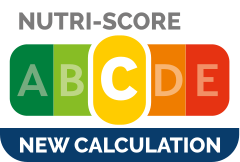 Average nutritional quality
Nutri-Score data warning
Nutrient levels
Fat in moderate quantity (3.6%)
Saturated fat in moderate quantity (1.6%)
Sugars in moderate quantity (5.1%)
Salt in moderate quantity (1.05%)
Nutrition label

Nutrition facts
| Nutrition facts | As sold for 100 g / 100 ml | Compared to: Breads |
|---|---|---|
| Energy | 1038 kcal (248 kcal) | 1,245.584 kJ (294 kcal) |
| Fat | 3.6 g | 5.131 g (-30%) |
| Saturated fat | 1.6 g | 0.904 g (+77%) |
| Trans fat | 0 g | 0 g |
| Carbohydrates | 44.6 g | 50.537 g (-12%) |
| Sugars | 5.1 g | 3.588 g (+42%) |
| Dietary fiber | ? | ? |
| Proteins | 8.4 g | 9.282 g (-10%) |
| Salt | 1.055 mg | 1.224 g (-100%) |
| Sodium | 0.422 mg | 0.489 g (-100%) |
| Calcium | 0.155 mg | 54.609 mg (-100%) |
| Fruits, vegetables and legumes | ? | ? |
Nutrition facts (Detailed data)
| Nutrition facts | As sold for 100 g / 100 ml | As sold Per serving (legacy) |
|---|---|---|
| Energy | 1038 kcal (248 kcal) | ? |
| Fat | 3.6 g | ? |
| Saturated fat | 1.6 g | ? |
| Trans fat | 0 g | ? |
| Carbohydrates | 44.6 g | ? |
| Sugars | 5.1 g | ? |
| Dietary fiber | ? | ? |
| Proteins | 8.4 g | ? |
| Salt | 1.055 mg | ? |
| Sodium | 0.422 mg | ? |
| Calcium | 0.155 mg | ? |
| Fruits, vegetables and legumes | ? | ? |
Ingredients
Ingredients image

Ingredients list
Ingredient information
Added sugars
Allergens
Traces
Ingredients analysis
Palm oil content unknown
Unrecognized: en:300, en:1100, en:471, en:322, en:320, en:385, en:160a, en:330, en:535, en:whoy-protein, en:491, en:300, en:516, en:510, en:300, en:930, en:1101, en:500, en:460, en:341, en:481, en:482, en:282, en:配-小多粉, en:含有麵粉處理劑, en:300, en:1100, en:水, en:糖, en:人造牛油, en:含有乳化劑, en:471, en:322, en:抗氧化劑, en:320, en:385, en:色素, en:160a, en:酸-度調節劑, en:330, en:脫脂奶粉, en:516, en:510, en:300, en:930, en:1101, en:含有抗結劑, en:500, en:460, en:酸度調節劑, en:341, en:磷酸三鈣, en:乳化劑, en:481, en:482, en:防腐劑, en:282, en:produced-in-a-factory-where-egg-products-and-fish-products-are-also-handled, en:etr-n-made-in-hgh-g-the-garden-company-limited-大豆粉, en:鹽, en:含有抗結劑, en:535, en:乳清蛋白, en:酵母, en:含有乳化劑, en:491, en:抗氧化劑, en:300, en:麵粉處理劑-quantity, en:14-slices, en:h-3288-please-store-in-a-cool-and-dry-place-請儲存於陰凉乾爽之處-stle-pealy4, en:owloon, en:tline-ry-52-2360-3160-ldpe-te-f-arden-comnk
Contains non-vegan ingredients.
Unrecognized: en:300, en:1100, en:margarine, en:471, en:322, en:320, en:385, en:160a, en:330, en:535, en:whoy-protein, en:491, en:300, en:516, en:510, en:300, en:930, en:1101, en:500, en:460, en:341, en:481, en:482, en:282, en:配-小多粉, en:含有麵粉處理劑, en:300, en:1100, en:水, en:糖, en:人造牛油, en:含有乳化劑, en:471, en:322, en:抗氧化劑, en:320, en:385, en:色素, en:160a, en:酸-度調節劑, en:330, en:脫脂奶粉, en:516, en:510, en:300, en:930, en:1101, en:含有抗結劑, en:500, en:460, en:酸度調節劑, en:341, en:磷酸三鈣, en:乳化劑, en:481, en:482, en:防腐劑, en:282, en:produced-in-a-factory-where-egg-products-and-fish-products-are-also-handled, en:etr-n-made-in-hgh-g-the-garden-company-limited-大豆粉, en:鹽, en:含有抗結劑, en:535, en:乳清蛋白, en:酵母, en:含有乳化劑, en:491, en:抗氧化劑, en:300, en:麵粉處理劑-quantity, en:14-slices, en:h-3288-please-store-in-a-cool-and-dry-place-請儲存於陰凉乾爽之處-stle-pealy4, en:owloon, en:tline-ry-52-2360-3160-ldpe-te-f-arden-comnk
Vegetarian status unknown
Unrecognized: en:300, en:1100, en:margarine, en:471, en:322, en:320, en:385, en:160a, en:330, en:535, en:whoy-protein, en:491, en:300, en:516, en:510, en:300, en:930, en:1101, en:500, en:460, en:341, en:481, en:482, en:282, en:配-小多粉, en:含有麵粉處理劑, en:300, en:1100, en:水, en:糖, en:人造牛油, en:含有乳化劑, en:471, en:322, en:抗氧化劑, en:320, en:385, en:色素, en:160a, en:酸-度調節劑, en:330, en:脫脂奶粉, en:516, en:510, en:300, en:930, en:1101, en:含有抗結劑, en:500, en:460, en:酸度調節劑, en:341, en:磷酸三鈣, en:乳化劑, en:481, en:482, en:防腐劑, en:282, en:produced-in-a-factory-where-egg-products-and-fish-products-are-also-handled, en:etr-n-made-in-hgh-g-the-garden-company-limited-大豆粉, en:鹽, en:含有抗結劑, en:535, en:乳清蛋白, en:酵母, en:含有乳化劑, en:491, en:抗氧化劑, en:300, en:麵粉處理劑-quantity, en:14-slices, en:h-3288-please-store-in-a-cool-and-dry-place-請儲存於陰凉乾爽之處-stle-pealy4, en:owloon, en:tline-ry-52-2360-3160-ldpe-te-f-arden-comnk
Food Processing
NOVA group
 Ultra-processed food and drink products
Elements that indicate the product is in NOVA group 4
How NOVA works
Additives
E1100 - Alpha-Amylase
An amylase () is an enzyme that catalyses the hydrolysis of starch into sugars. Amylase is present in the saliva of humans and some other mammals, where it begins the chemical process of digestion. Foods that contain large amounts of starch but little sugar, such as rice and potatoes, may acquire a slightly sweet taste as they are chewed because amylase degrades some of their starch into sugar. The pancreas and salivary gland make amylase (alpha amylase) to hydrolyse dietary starch into disaccharides and trisaccharides which are converted by other enzymes to glucose to supply the body with energy. Plants and some bacteria also produce amylase. As diastase, amylase was the first enzyme to be discovered and isolated (by Anselme Payen in 1833). Specific amylase proteins are designated by different Greek letters. All amylases are glycoside hydrolases and act on α-1,4-glycosidic bonds.
E1101 - ProteaseStabiliser
A protease (also called a peptidase or proteinase) is an enzyme that performs proteolysis: protein catabolism by hydrolysis of peptide bonds. Proteases have evolved multiple times, and different classes of protease can perform the same reaction by completely different catalytic mechanisms. Proteases can be found in Animalia, Plantae, Fungi, Bacteria, Archaea and viruses.
E160a - caroteneColour
β-Carotene is an organic, strongly colored red-orange pigment abundant in plants and fruits. It is a member of the carotenes, which are terpenoids (isoprenoids), synthesized biochemically from eight isoprene units and thus having 40 carbons. Among the carotenes, β-carotene is distinguished by having beta-rings at both ends of the molecule. β-Carotene is biosynthesized from geranylgeranyl pyrophosphate.β-Carotene is the most common form of carotene in plants. When used as a food coloring, it has the E number E160a. The structure was deduced by Karrer et al. in 1930. In nature, β-carotene is a precursor (inactive form) to vitamin A via the action of beta-carotene 15,15'-monooxygenase.Isolation of β-carotene from fruits abundant in carotenoids is commonly done using column chromatography. It can also be extracted from the beta-carotene rich algae, Dunaliella salina. The separation of β-carotene from the mixture of other carotenoids is based on the polarity of a compound. β-Carotene is a non-polar compound, so it is separated with a non-polar solvent such as hexane. Being highly conjugated, it is deeply colored, and as a hydrocarbon lacking functional groups, it is very lipophilic.
E282 - calcium propionatePreservative
CALCIUM PROPIONATE has the formula Ca(C2H5COO)2. Calcium propionate is used as a preservative in a wide variety of products, including but not limited to:bread, other baked goods, processed meat, whey, and other dairy products.
E300 - Ascorbic acidAntioxidantSequestrant
No additive description is available yet.
E320 - Butylated hydroxyanisole (bha)Antioxidant
Butylated hydroxyanisole (BHA) is an antioxidant consisting of a mixture of two isomeric organic compounds, 2-tert-butyl-4-hydroxyanisole and 3-tert-butyl-4-hydroxyanisole. It is prepared from 4-methoxyphenol and isobutylene. It is a waxy solid used as a food additive with the E number E320. The primary use for BHA is as an antioxidant and preservative in food, food packaging, animal feed, cosmetics, rubber, and petroleum products. BHA also is commonly used in medicines, such as isotretinoin, lovastatin, and simvastatin, among others.
E322 - LecithinsAntioxidantEmulsifier
Lecithins are natural compounds commonly used in the food industry as emulsifiers and stabilizers.
Extracted from sources like soybeans and eggs, lecithins consist of phospholipids that enhance the mixing of oil and water, ensuring smooth textures in various products like chocolates, dressings, and baked goods.
They do not present any known health risks.
E330 - Citric acidAntioxidantSequestrant
Citric acid is a natural organic acid found in citrus fruits such as lemons, oranges, and limes.
It is widely used in the food industry as a flavor enhancer, acidulant, and preservative due to its tart and refreshing taste.
Citric acid is safe for consumption when used in moderation and is considered a generally recognized as safe (GRAS) food additive by regulatory agencies worldwide.
E341 - Calcium phosphates EFSA overexposure risk: highEmulsifierHumectantSequestrantStabiliserThickener
Calcium phosphate is a family of materials and minerals containing calcium ions (Ca2+) together with inorganic phosphate anions. Some so-called calcium phosphates contain oxide and hydroxide as well. They are white solids of nutritious value.
E341iii - Tricalcium phosphateEmulsifierHumectantSequestrantStabiliserThickener
No additive description is available yet.
E385 - Calcium disodium ethylenediaminetetraacetateAntioxidantPreservativeSequestrant
No additive description is available yet.
E460 - CelluloseCarrierEmulsifierHumectantStabiliserThickener
CELLULOSE is an organic compound with the formula (C6H10O5)n, a polysaccharide consisting of a linear chain of several hundred to many thousands of linked D-glucose units. Cellulose is used as emulsifier, thickener and stabilizer in processed foods. Cellulose powder is, for example, used in processed cheese to prevent caking inside the package.
E471 - Mono- and diglycerides of fatty acidsEmulsifierStabiliser
Mono- and diglycerides of fatty acids (E471), are food additives commonly used as emulsifiers in various processed foods.
These compounds consist of glycerol molecules linked to one or two fatty acid chains, which help stabilize and blend water and oil-based ingredients. E471 enhances the texture and shelf life of products like margarine, baked goods, and ice cream, ensuring a smooth and consistent texture.
It is generally considered safe for consumption within established regulatory limits.
E481 - Sodium stearoyl-2-lactylate EFSA overexposure risk: highEmulsifierStabiliser
Sodium stearoyl-2-lactylate (sodium stearoyl lactylate or SSL) is a versatile, FDA approved food additive used to improve the mix tolerance and volume of processed foods. It is one type of a commercially available lactylate. SSL is non-toxic, biodegradable, and typically manufactured using biorenewable feedstocks. Because SSL is a safe and highly effective food additive, it is used in a wide variety of products ranging from baked goods and desserts to pet foods.As described by the Food Chemicals Codex 7th edition, SSL is a cream-colored powder or brittle solid. SSL is currently manufactured by the esterification of stearic acid with lactic acid and partially neutralized with either food-grade soda ash (sodium carbonate) or caustic soda (concentrated sodium hydroxide). Commercial grade SSL is a mixture of sodium salts of stearoyl lactylic acids and minor proportions of other sodium salts of related acids. The HLB for SSL is 10-12. SSL is slightly hygroscopic, soluble in ethanol and in hot oil or fat, and dispersible in warm water. These properties are the reason that SSL is an excellent emulsifier for fat-in-water emulsions and can also function as a humectant.
E482 - Calcium stearoyl-2-lactylate EFSA overexposure risk: highEmulsifierStabiliser
Calcium stearoyl-2-lactylate (calcium stearoyl lactylate or CSL) or E482 is a versatile, FDA approved food additive. It is one type of a commercially available lactylate. CSL is non-toxic, biodegradable, and typically manufactured using biorenewable feedstocks. Because CSL is a safe and highly effective food additive, it is used in a wide variety of products from baked goods and desserts to packaging.As described by the Food Chemicals Codex 7th edition, CSL is a cream-colored powder. CSL is currently manufactured by the esterification of stearic acid and lactic acid with partial neutralization using food-grade hydrated lime (calcium hydroxide). Commercial grade CSL is a mixture of calcium salts of stearoyl lactic acid, with minor proportions of other salts of related acids. The HLB for CSL is 5.1. It is slightly soluble in hot water. The pH of a 2% aqueous suspension is approximately 4.7.
E491 - Sorbitan monostearate EFSA overexposure risk: highEmulsifier
Sorbitan monostearate is an ester of sorbitan (a sorbitol derivative) and stearic acid and is sometimes referred to as a synthetic wax. It is primarily used as an emulsifier to keep water and oils mixed. Sorbitan monostearate is used in the manufacture of food and healthcare products and is a non-ionic surfactant with emulsifying, dispersing, and wetting properties. It is also employed to create synthetic fibers, metal machining fluid, and brighteners in the leather industry, and as an emulsifier in coatings, pesticides, and various applications in the plastics, food and cosmetics industries. Sorbitans are also known as "Spans". Sorbitan monostearate has been approved by the European Union for use as a food additive (emulsifier) (E number: E 491)
E500 - Sodium carbonatesStabiliserThickener
Sodium carbonates (E500) are compounds commonly used in food preparation as leavening agents, helping baked goods rise by releasing carbon dioxide when they interact with acids.
Often found in baking soda, they regulate the pH of food, preventing it from becoming too acidic or too alkaline. In the culinary world, sodium carbonates can also enhance the texture and structure of foods, such as noodles, by modifying the gluten network.
Generally recognized as safe, sodium carbonates are non-toxic when consumed in typical amounts found in food.
E510 - Ammonium chloride
AMMONIUM CHLORIDE is an inorganic compound with the formula NH4Cl and a white crystalline salt that is highly soluble in water.
E516 - Calcium sulphateSequestrantStabiliser
Calcium sulfate (or calcium sulphate) is the inorganic compound with the formula CaSO4 and related hydrates. In the form of γ-anhydrite (the anhydrous form), it is used as a desiccant. One particular hydrate is better known as plaster of Paris, and another occurs naturally as the mineral gypsum. It has many uses in industry. All forms are white solids that are poorly soluble in water. Calcium sulfate causes permanent hardness in water.
E535 - Sodium ferrocyanide
Sodium ferrocyanide is the sodium salt of the coordination compound of formula [Fe(CN)6]4−. In its hydrous form, Na4Fe(CN)6 · 10 H2O (sodium ferrocyanide decahydrate), it is sometimes known as yellow prussiate of soda. It is a yellow crystalline solid that is soluble in water and insoluble in alcohol. The yellow color is the color of ferrocyanide anion. Despite the presence of the cyanide ligands, sodium ferrocyanide has low toxicity (acceptable daily intake 0–0.025 mg/kg body weight). The ferrocyanides are less toxic than many salts of cyanide, because they tend not to release free cyanide. However, like all ferrocyanide salt solutions, addition of an acid can result in the production of hydrogen cyanide gas, which is toxic.
E930 - calcium peroxide
Calcium peroxide or calcium dioxide is the inorganic compound with the formula CaO2. It is the peroxide (O22−) salt of Ca2+. Commercial samples can be yellowish, but the pure compound is white. It is almost insoluble in water.
Environment
Green-Score, origins bonus, and transportation impact are shown for Worldwide .
Green Score
Overall grade
 Unknown environmental impact
About Green-Score
Current scope
Green-Score availability
Bonuses and maluses
Origins of ingredients
Packaging impact
Packaging
Packaging impact
Packaging components
| Shape | Material | Recycling | Impact |
|---|---|---|---|
| BAG | Plastic | Unknown | Unknown |
Declared packaging
Transportation
Origins of ingredients
Origins breakdown
| Origin | Percent of ingredients | Impact |
|---|---|---|
| Hong Kong | 100 % | High |
Data Source
Product data comes from Open Food Facts. Food Benchmark also adds translations, category comparisons and explanatory calculations.
The database is licensed under ODbL 1.0, individual contents under DbCL 1.0, and product photos under CC BY-SA 3.0.
Product added on October 6, 2019 at 11:56:53 AM UTC by openfoodfacts-contributors .
Last edit on February 11, 2022 at 11:57:20 AM UTC by packbot .
Product page also edited by charlesnepote, mattkung, scholes8, packbot, ecoscore-impact-estimator, openfoodfacts-contributors.