

Oats 'n Honey Granola Bars
Labels
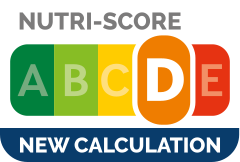 Poor nutritional quality
 Ultra-processed food and drink products
 Not computed
Health
Nutrition label

Physical activities
Approximate time needed to burn the energy in 100 g / 100 ml: 1,950 kJ. Reference adult weight: 70 kg. Energy density: Moderate.
Nutrition facts
| Nutrition facts | As sold for 100 g / 100 ml |
|---|---|
| Energy | ~ 1,950 kJ (452 kcal) |
| FAT | 16.67 g |
| Saturated fat | 2.38 g |
| Carbohydrates | 69.05 g |
| Sugars | 26.19 g |
| Added sugars | 26.19 g |
| Starch | 0 g |
| Dietary fiber | 4.76 g |
| Proteins | 7.14 g |
| Salt | 0.83 g |
| Sodium | 0.33 g |
| Minerals | |
| Iron | 0 g |
| Fruits, vegetables and legumes | ~ 0 % |
| Choline | 0 g |
Nutrition facts (Detailed data)
| Nutrition facts | As sold for 100 g / 100 ml | As sold Per 100 g (packaging) | As sold Per serving (42 g) (packaging) | As sold Per 100 g (estimate) |
|---|---|---|---|---|
| Energy | ~ 1,950 kJ (452 kcal) | ? (452 kcal) | ? (190 kcal) | ~ 428 kJ (102 kcal) |
| FAT | 16.67 g | ? | 7 g | ~ 11.09 g |
| Saturated fat | 2.38 g | ? | 1 g | ~ 0.42 g |
| Cholesterol | ~ 0 g | ? | ? | ~ 0 g |
| Carbohydrates | 69.05 g | ? | 29 g | ~ 55.28 g |
| Sugars | 26.19 g | ? | 11 g | ~ 9.26 g |
| Added sugars | 26.19 g | 26.19 g | 11 g | ~ 8.95 g |
| Sucrose | ~ 5.76 g | ? | ? | ~ 5.76 g |
| Glucose | ~ 1.1 g | ? | ? | ~ 1.1 g |
| Fructose | ~ 1.31 g | ? | ? | ~ 1.31 g |
| Galactose | ~ 0.1 g | ? | ? | ~ 0.1 g |
| Lactose | ~ 0.01 g | ? | ? | ~ 0.01 g |
| Maltose | ~ 0.05 g | ? | ? | ~ 0.05 g |
| Starch | 0 g | ? | 0 g | ~ 44.33 g |
| Polyols | ~ 0.06 g | ? | ? | ~ 0.06 g |
| Dietary fiber | 4.76 g | ? | 2 g | ~ 8.34 g |
| Proteins | 7.14 g | ? | 3 g | ~ 13.44 g |
| Salt | 0.83 g | ? | 0.35 g | ~ 0.18 g |
| Sodium | 0.33 g | ? | 0.14 g | ~ 0.07 g |
| Alcohol | ~ 0 % vol | ? | ? | ~ 0 % vol |
| Vitamins | ||||
| Vitamin A | ~ 0 g | ? | ? | ~ 0 g |
| Beta-carotene | ~ 0 g | ? | ? | ~ 0 g |
| Vitamin D | ~ 0 g | ? | ? | ~ 0 g |
| Vitamin E | ~ 0 g | ? | ? | ~ 0 g |
| Vitamin C | ~ 0 g | ? | ? | ~ 0 g |
| Vitamin B1 | ~ 0 g | ? | ? | ~ 0 g |
| Vitamin B2 | ~ 0 g | ? | ? | ~ 0 g |
| Vitamin PP | ~ 0 g | ? | ? | ~ 0 g |
| Vitamin B6 | ~ 0 g | ? | ? | ~ 0 g |
| Vitamin B9 | ~ 0 g | ? | ? | ~ 0 g |
| Vitamin B12 | ~ 0 g | ? | ? | ~ 0 g |
| Pantothenic acid | ~ 0 g | ? | ? | ~ 0 g |
| Minerals | ||||
| Potassium | ~ 0.35 g | ? | ? | ~ 0.35 g |
| Chloride | ~ 0.05 g | ? | ? | ~ 0.05 g |
| Calcium | ~ 0.04 g | ? | ? | ~ 0.04 g |
| Phosphorus | ~ 0.42 g | ? | ? | ~ 0.42 g |
| Iron | 0 g | 2.14 mg | ? | ~ 0 g |
| Magnesium | ~ 0.14 g | ? | ? | ~ 0.14 g |
| Zinc | ~ 0 g | ? | ? | ~ 0 g |
| Copper | ~ 0 g | ? | ? | ~ 0 g |
| Manganese | ~ 0 g | ? | ? | ~ 0 g |
| Selenium | ~ 0 g | ? | ? | ~ 0 g |
| Iodine | ~ 0 g | ? | ? | ~ 0 g |
| Fruits, vegetables and legumes | ~ 0 % | ? | ? | ~ 0 % |
| Choline | 0 g | ? | 0 g | ? |
| Phylloquinone | ~ 0 g | ? | ? | ~ 0 g |
| Water | ~ 7.54 g | ? | ? | ~ 7.54 g |
Serving size
Ingredients image
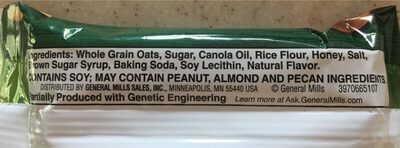
Ingredients list
Ingredient information
Allergens
Traces
NOVA group
Elements that indicate the product is in NOVA group 4
How NOVA works
Ingredients analysis
Additives
E322 - LecithinsAntioxidantEmulsifier
Lecithins are natural compounds commonly used in the food industry as emulsifiers and stabilizers.
Extracted from sources like soybeans and eggs, lecithins consist of phospholipids that enhance the mixing of oil and water, ensuring smooth textures in various products like chocolates, dressings, and baked goods.
They do not present any known health risks.
E322i - LecithinAntioxidantEmulsifier
Lecithins are natural compounds commonly used in the food industry as emulsifiers and stabilizers.
Extracted from sources like soybeans and eggs, lecithins consist of phospholipids that enhance the mixing of oil and water, ensuring smooth textures in various products like chocolates, dressings, and baked goods.
They do not present any known health risks.
E500 - Sodium carbonatesStabiliserThickener
Sodium carbonates (E500) are compounds commonly used in food preparation as leavening agents, helping baked goods rise by releasing carbon dioxide when they interact with acids.
Often found in baking soda, they regulate the pH of food, preventing it from becoming too acidic or too alkaline. In the culinary world, sodium carbonates can also enhance the texture and structure of foods, such as noodles, by modifying the gluten network.
Generally recognized as safe, sodium carbonates are non-toxic when consumed in typical amounts found in food.
E500ii - Sodium hydrogen carbonateStabiliserThickener
Sodium hydrogen carbonate, also known as E500ii, is a food additive commonly used as a leavening agent.
When added to recipes, it releases carbon dioxide gas upon exposure to heat or acids, causing dough to rise and resulting in a light, fluffy texture in baked goods.
It is generally recognized as safe (GRAS) by regulatory authorities when used in appropriate quantities and poses no significant health risks when consumed in typical food applications.
Environment
Environment
Packaging image
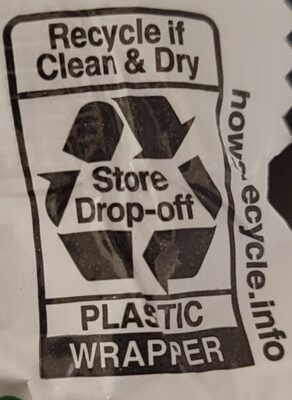
Packaging
Packaging details
Transportation and origins
Data Source
Product added on July 19, 2015 at 5:11:53 PM UTC by bdwyer .
Last edit on March 17, 2026 at 6:05:25 PM UTC by municorn-calorie-counter-app .
Product page also edited by autorotate-bot, bdwyer, big-brother, bredowmax, charlesnepote, csz5024, fjbdev, foodless, foodvisor, gavingt, inf, kfq5x, kiliweb, kmoney, komic73, krisella, luisscipsi, macrofactor, maldan, municorn-calorie-counter-app, nojaanator, openfoodfacts-contributors, org-database-usda, packbot, roboto-app, saikrish, sgmelin, simongbe, stephane, swipe-studio, yuka.SEpJYkVLc1JwdWsxa1BjUDNpN0UxOUZJMmNiNVFHcVlEc3N3SUE9PQ, yuka.WUoxZkVZTXhoZDhQaGRvWTRDTDEyTjU0eDVpTWNrV3VEOUFlSWc9PQ, yuka.sY2b0xO6T85zoF3NwEKvlkFLUubY8imfbUDUxWKCx9eVLIz3S-1_5tHqLqs.
Source List
- database-usda