

Maeukin mirin fu - 500ML
Labels
 Not computed
 Ultra-processed food and drink products
 Green-Score not computed
Health
Nutrition
Nutrition label

Nutrition facts
| Nutrition facts | As sold for 100 ml |
|---|---|
| Energy | 992 kJ (306 kcal) |
| FAT | ? |
| Saturated fat | 0 g |
| Carbohydrates | 76 g |
| Sugars | 40.2 g |
| Dietary fiber | 0 g |
| Proteins | 0 g |
| Salt | 0.3 g |
| Sodium | 0.12 g |
| Minerals | |
| Fruits, vegetables and legumes | ~ 0 % |
Nutrition facts (Detailed data)
| Nutrition facts | As sold for 100 ml | As sold Per 100 ml (packaging) | As sold Per 100 g (estimate) |
|---|---|---|---|
| Energy | 992 kJ (306 kcal) | 992 kJ (306 kcal) | ? |
| FAT | ? | ? | ? |
| Saturated fat | 0 g | 0 g | ? |
| Carbohydrates | 76 g | 76 g | ? |
| Sugars | 40.2 g | 40.2 g | ? |
| Added sugars | ~ 20.1 g | ? | ~ 20.1 g |
| Dietary fiber | 0 g | 0 g | ? |
| Proteins | 0 g | 0 g | ? |
| Salt | 0.3 g | 0.3 g | ? |
| Sodium | 0.12 g | 0.12 g | ? |
| Minerals | |||
| Fruits, vegetables and legumes | ~ 0 % | ? | ~ 0 % |
Serving size
Estimated Activity Time
Approximate time needed to burn the energy in 100 g / 100 ml: 992 kJ. Reference adult weight: 70 kg. Energy density: High.
Ingredients
Ingredients image

Ingredients list
Ingredient information
Ingredients analysis
No ingredients containing palm oil.
Vegan status unknown
Vegetarian status unknown
Food Processing
NOVA group
Ultra-processed food and drink productsElements that indicate the product is in NOVA group 4
How NOVA works
Additives
E260 - Acetic acidPreservative
ACETIC ACID, systematically named ethanoic acid, is a colourless liquid organic compound with the chemical formula CH3COOH (also written as CH3CO2H or C2H4O2).
E262 - Sodium acetatesPreservativeSequestrant
SODIUM ACETATE, also abbreviated NaOAc,[8] is the sodium salt of acetic acid.
E296 - Malic acid
MALIC ACID is an organic compound with the molecular formula C4H6O5. Malic acid has two stereoisomeric forms (L- and D-enantiomers), though only the L-isomer exists naturally.
E330 - Citric acidAntioxidantSequestrant
Citric acid is a natural organic acid found in citrus fruits such as lemons, oranges, and limes.
It is widely used in the food industry as a flavor enhancer, acidulant, and preservative due to its tart and refreshing taste.
Citric acid is safe for consumption when used in moderation and is considered a generally recognized as safe (GRAS) food additive by regulatory agencies worldwide.
E334 - L(+)-tartaric acidAntioxidantSequestrant
TARTARIC ACID is a white, crystalline organic acid that occurs naturally in many fruits, most notably in grapes, but also in bananas, tamarinds, and citrus
E380 - Triammonium citrate
No additive description is available yet.
Environment
Green-Score, origins bonus, and transportation impact are shown for Worldwide .
Green Score
Overall grade
Unknown environmental impactAbout Green-Score
Current scope
Green-Score availability
Bonuses and maluses
Declared origins
Packaging impact
Packaging
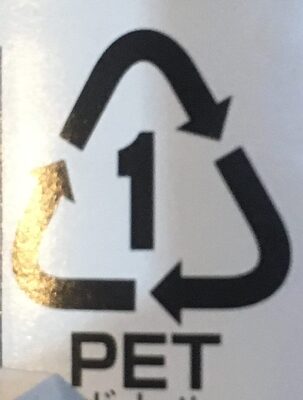
Packaging impact
Packaging materials
| Material | % | Packaging weight | Packaging weight per 100 g of product |
|---|---|---|---|
| Plastic | |||
| Total |
Declared packaging
Data precision
Transportation
Manufacturing locations
Declared origins
Data Source
Data presented on this page is sourced from the Open Food Facts database. This platform does not alter the original dataset; its purpose is solely to enhance data visualization and user accessibility.
Product added on September 29, 2018 at 9:53:11 AM UTC by kiliweb .
Last edit on March 17, 2026 at 8:28:32 PM UTC by new-nutrition-bot .
Product page also edited by anonymous-zq6ya2eowa, benbenben, bodysupport, date-limite-app, james-schold, kiliweb, new-nutrition-bot, openfoodfacts-contributors, packbot, prepperapp, rochus, yuka.WVlkY1A0TWlwZDR5dXZjejdpL1I5KzBrNThTS1pHU3BEKzBJSWc9PQ, yuka.sY2b0xO6T85zoF3NwEKvlkp5CfDevAr7PDP5hkub-8vTBYDiOPF-w6rLHao, yuka.sY2b0xO6T85zoF3NwEKvlm1CbICDpQPlDhX4qU6p3uaBcs3BWs8t6YLmaKs.