

Pine Nuts Hummos
Labels
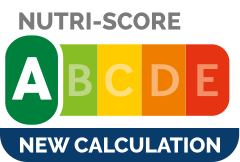 Very good nutritional quality
 Processed foods
 Green-Score not computed
Health
Nutrition
Label
Very good nutritional qualityNutrient levels
Fat in moderate quantity (10.7%)
Saturated fat in low quantity (0%)
Sugars in low quantity (2.5%)
Salt in moderate quantity (0.948%)
Nutrition facts
| Nutrition facts | As sold for 100 g / 100 ml |
|---|---|
| Energy | ~ 817.38 kJ (161 kcal) |
| FAT | 10.71 g |
| Saturated fat | 0 g |
| Trans fat | 0 g |
| Cholesterol | 0 g |
| Carbohydrates | 14.29 g |
| Sugars | 2.5 g |
| Dietary fiber | 7.1 g |
| Proteins | 7.14 g |
| Salt | 0.95 g |
| Sodium | 0.38 g |
| Vitamins | |
| Vitamin A | 0 g |
| Vitamin C | 0 g |
| Minerals | |
| Calcium | 0.04 g |
| Iron | 0 g |
| Fruits, vegetables and legumes | ~ 70.14 % |
Nutrition facts (Detailed data)
| Nutrition facts | As sold for 100 g / 100 ml | As sold Per 100 g (packaging) | As sold Per 100 g (estimate) |
|---|---|---|---|
| Energy | ~ 817.38 kJ (161 kcal) | ? (161 kcal) | ~ 1,187.89 kJ (287 kcal) |
| FAT | 10.71 g | 10.71 g | ~ 21.66 g |
| Saturated fat | 0 g | 0 g | ~ 2.57 g |
| Trans fat | 0 g | 0 g | ? |
| Cholesterol | 0 g | 0 g | ~ 0 g |
| Carbohydrates | 14.29 g | 14.29 g | ~ 12.05 g |
| Sugars | 2.5 g | 2.5 g | ~ 0.51 g |
| Added sugars | ~ 0 g | ? | ~ 0 g |
| Sucrose | ~ 0.44 g | ? | ~ 0.44 g |
| Glucose | ~ 0.03 g | ? | ~ 0.03 g |
| Fructose | ~ 0.03 g | ? | ~ 0.03 g |
| Galactose | ~ 0.01 g | ? | ~ 0.01 g |
| Lactose | ~ 0.02 g | ? | ~ 0.02 g |
| Maltose | ~ 0.02 g | ? | ~ 0.02 g |
| Starch | ~ 6.78 g | ? | ~ 6.78 g |
| Polyols | ~ 0.15 g | ? | ~ 0.15 g |
| Dietary fiber | 7.1 g | 7.1 g | ~ 5.37 g |
| Proteins | 7.14 g | 7.14 g | ~ 8.17 g |
| Salt | 0.95 g | 0.95 g | ~ 1.02 g |
| Sodium | 0.38 g | 0.38 g | ~ 0.41 g |
| Alcohol | ~ 0 % vol | ? | ~ 0 % vol |
| Vitamins | |||
| Vitamin A | 0 g | 0 g | ~ 0 g |
| Beta-carotene | ~ 0 g | ? | ~ 0 g |
| Vitamin D | ~ 0 g | ? | ~ 0 g |
| Vitamin E | ~ 0 g | ? | ~ 0 g |
| Vitamin C | 0 g | 0 g | ~ 0 g |
| Vitamin B1 | ~ 0 g | ? | ~ 0 g |
| Vitamin B2 | ~ 0 g | ? | ~ 0 g |
| Vitamin PP | ~ 0 g | ? | ~ 0 g |
| Vitamin B6 | ~ 0 g | ? | ~ 0 g |
| Vitamin B9 | ~ 0 g | ? | ~ 0 g |
| Vitamin B12 | ~ 0 g | ? | ~ 0 g |
| Pantothenic acid | ~ 0 g | ? | ~ 0 g |
| Minerals | |||
| Potassium | ~ 0.2 g | ? | ~ 0.2 g |
| Calcium | 0.04 g | 0.04 g | ~ 0.09 g |
| Phosphorus | ~ 0.23 g | ? | ~ 0.23 g |
| Iron | 0 g | 0 g | ~ 0 g |
| Magnesium | ~ 0.04 g | ? | ~ 0.04 g |
| Zinc | ~ 0 g | ? | ~ 0 g |
| Copper | ~ 0 g | ? | ~ 0 g |
| Manganese | ~ 0 g | ? | ~ 0 g |
| Selenium | ~ 0 g | ? | ~ 0 g |
| Iodine | ~ 0 g | ? | ~ 0 g |
| Fruits, vegetables and legumes | ~ 70.14 % | ? | ~ 70.14 % |
| Phylloquinone | ~ 0 g | ? | ~ 0 g |
| Water | ~ 51.58 g | ? | ~ 51.58 g |
Serving size
Estimated Activity Time
Approximate time needed to burn the energy in 100 g / 100 ml: 817 kJ. Reference adult weight: 70 kg. Energy density: Low.
Ingredients
Ingredients list
Ingredient information
Allergens
Ingredients analysis
No ingredients containing palm oil.
No non-vegan ingredients.
No non-vegetarian ingredients.
Food Processing
NOVA group
Processed foodsElements that indicate the product is in NOVA group 3
How NOVA works
Additives
E330 - Citric acidAntioxidantSequestrant
Citric acid is a natural organic acid found in citrus fruits such as lemons, oranges, and limes.
It is widely used in the food industry as a flavor enhancer, acidulant, and preservative due to its tart and refreshing taste.
Citric acid is safe for consumption when used in moderation and is considered a generally recognized as safe (GRAS) food additive by regulatory agencies worldwide.
Environment
Green-Score, origins bonus, and transportation impact are shown for Worldwide .
Green Score
Overall grade
Unknown environmental impactAbout Green-Score
Current scope
Green-Score availability
Bonuses and maluses
Declared origins
Packaging impact
Packaging
Packaging impact
Data precision
Transportation
Declared origins
Data Source
Data presented on this page is sourced from the Open Food Facts database. This platform does not alter the original dataset; its purpose is solely to enhance data visualization and user accessibility.
Product added on March 9, 2017 at 8:47:48 PM UTC by usda-ndb-import .
Last edit on March 17, 2026 at 12:24:45 AM UTC by roboto-app .
Product page also edited by foodless, org-database-usda, roboto-app, usda-ndb-import.
Source List
- usda-ndb
- database-usda