

Bragg
Organic Apple Cider Vinegar
473ml
BARCODE:0074305701160
CATEGORIES:Condiments, Vinegars, Cider Vinegars
LABELS:No Gluten, Organic, Eu Organic, Kosher, No Gmos, Non Eu Agriculture, Usda Organic, Kosher Supervision Of America, Non Gmo Project, Unfiltered, Raw, Us Org 043, Unpasteurised
PACKAGING:Glass, Bottle
ORIGIN:United States
COUNTRIES:France, United Kingdom
Labels
Nutri-Score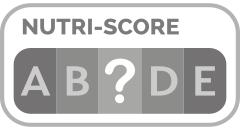 Not computed
Not computedNOVA Group Processed culinary ingredients
Processed culinary ingredientsEnvironmental Score Not computed
Not computedHealth
Nutrition
Nutrient levels
Fat in low quantity (0%)
What you need to know
• A high consumption of fat, especially saturated fats, can raise cholesterol, which increases the risk of heart diseases.
Recommendation: Limit the consumption of fat and saturated fat
• Choose products with lower fat and saturated fat content.
Source: National Health Service UK (NHS) - Fat: the facts
Saturated fat in low quantity (0%)
What you need to know
• A high consumption of fat, especially saturated fats, can raise cholesterol, which increases the risk of heart diseases.
Recommendation: Limit the consumption of fat and saturated fat
• Choose products with lower fat and saturated fat content.
Source: National Health Service UK (NHS) - Fat: the facts
Sugars in low quantity (0%)
What you need to know
• A high consumption of sugar can cause weight gain and tooth decay. It also augments the risk of type 2 diabetes and cardio-vascular diseases.
Recommendation: Limit the consumption of sugar and sugary drinks
• Sugary drinks (such as sodas, fruit beverages, and fruit juices and nectars) should be limited as much as possible (no more than 1 glass a day).
• Choose products with lower sugar content and reduce the consumption of products with added sugars.
Source: National Health Service UK (NHS) - Sugar: the facts
Salt in low quantity (0.0267%)
What you need to know
• A high consumption of salt (or sodium) can cause raised blood pressure, which can increase the risk of heart disease and stroke.
• Many people who have high blood pressure do not know it, as there are often no symptoms.
• Most people consume too much salt (on average 9 to 12 grams per day), around twice the recommended maximum level of intake.
Recommendation: Limit the consumption of salt and salted food
• Reduce the quantity of salt used when cooking, and don't salt again at the table.
• Limit the consumption of salty snacks and choose products with lower salt content.
Source: World Health Organization (WHO) - Fact sheet - Salt reduction
Source: National Health Service UK (NHS) - Salt: the facts
Nutrition label

Nutrition facts
| Nutrition facts | As sold for 100 ml |
|---|---|
| Energy | 0 kJ (0 kcal) |
| FAT | 0 g |
| Saturated fat | 0 g |
| Carbohydrates | 0 g |
| Sugars | 0 g |
| Dietary fiber | ~ 0 g |
| Proteins | ~ 0.03 g |
| Salt | ~ 0.03 g |
| Minerals | |
| Fruits, vegetables and legumes | ~ 0 % |
Nutrition facts (Detailed data)
| Nutrition facts | As sold for 100 ml | As sold Per 100 ml (packaging) | As sold Per 100 g (estimate) |
|---|---|---|---|
| Energy | 0 kJ (0 kcal) | 0 kJ (0 kcal) | ~ 73.05 kJ (17 kcal) |
| FAT | 0 g | 0 g | ~ 0.08 g |
| Saturated fat | 0 g | 0 g | ~ 0 g |
| Cholesterol | ~ 0 g | ? | ~ 0 g |
| Carbohydrates | 0 g | 0 g | ~ 0.47 g |
| Sugars | 0 g | 0 g | ~ 0.03 g |
| Added sugars | ~ 0 g | ? | ~ 0 g |
| Sucrose | ~ 0.04 g | ? | ~ 0.04 g |
| Glucose | ~ 0.04 g | ? | ~ 0.04 g |
| Fructose | ~ 0.04 g | ? | ~ 0.04 g |
| Galactose | ~ 0 g | ? | ~ 0 g |
| Lactose | ~ 0.04 g | ? | ~ 0.04 g |
| Maltose | ~ 0.04 g | ? | ~ 0.04 g |
| Starch | ~ 0 g | ? | ~ 0 g |
| Polyols | ~ 0 g | ? | ~ 0 g |
| Dietary fiber | ~ 0 g | ? | ~ 0 g |
| Proteins | ~ 0.03 g | ? | ~ 0.03 g |
| Salt | ~ 0.03 g | ? | ~ 0.03 g |
| Sodium | ~ 0.01 g | ? | ~ 0.01 g |
| Alcohol | ~ 0.15 % vol | ? | ~ 0.15 % vol |
| Vitamins | |||
| Vitamin A | ~ 0 g | ? | ~ 0 g |
| Beta-carotene | ~ 0 g | ? | ~ 0 g |
| Vitamin D | ~ 0 g | ? | ~ 0 g |
| Vitamin E | ~ 0 g | ? | ~ 0 g |
| Vitamin C | ~ 0 g | ? | ~ 0 g |
| Vitamin B1 | ~ 0 g | ? | ~ 0 g |
| Vitamin B2 | ~ 0 g | ? | ~ 0 g |
| Vitamin PP | ~ 0 g | ? | ~ 0 g |
| Vitamin B6 | ~ 0 g | ? | ~ 0 g |
| Vitamin B9 | ~ 0 g | ? | ~ 0 g |
| Vitamin B12 | ~ 0 g | ? | ~ 0 g |
| Pantothenic acid | ~ 0 g | ? | ~ 0 g |
| Minerals | |||
| Potassium | ~ 0.04 g | ? | ~ 0.04 g |
| Calcium | ~ 0.01 g | ? | ~ 0.01 g |
| Phosphorus | ~ 0.01 g | ? | ~ 0.01 g |
| Iron | ~ 0 g | ? | ~ 0 g |
| Magnesium | ~ 0.01 g | ? | ~ 0.01 g |
| Zinc | ~ 0 g | ? | ~ 0 g |
| Copper | ~ 0 g | ? | ~ 0 g |
| Manganese | ~ 0 g | ? | ~ 0 g |
| Selenium | ~ 0 g | ? | ~ 0 g |
| Iodine | ~ 0 g | ? | ~ 0 g |
| Fruits, vegetables and legumes | ~ 0 % | ? | ~ 0 % |
| Phylloquinone | ~ 0 g | ? | ~ 0 g |
| Water | ~ 94.68 g | ? | ~ 94.68 g |
Ingredients
Ingredients image

Ingredients list
Organic Apple Cider Vinegar, Water
Ingredient information
Cider Vinegar
75% (estimate)
Water
25% (estimate)
Ingredients analysis
Palm oil free
Yes
No ingredients containing palm oil.
Vegan
Yes
No non-vegan ingredients.
Vegetarian
Yes
No non-vegetarian ingredients.
Food Processing
NOVA group
Processed culinary ingredientsElements that indicate the product is in NOVA group 2
Categories
Vinegars
How NOVA works
The NOVA classification assigns food products into 4 groups based on their degree of processing:
1. Unprocessed or minimally processed foods
2. Processed culinary ingredients
3. Processed foods
4. Ultra-processed food and drink products
Additives
No additives detected or data is missing.
Environment
Packaging
Glass, Bottle
Packaging details
en:bottle
en:bottle • en:glass | Recycling: en:recycle
Transportation and origins
Origins of ingredients: United States
Manufacturing places: No manufacturing place information provided.
Environmental labels
OrganicEu OrganicUsda Organic
Data Source
Data presented on this page is sourced from the Open Food Facts database. This platform does not alter the original dataset; its purpose is solely to enhance data visualization and user accessibility.
Product added on March 29, 2018 at 11:14:57 AM UTC by kiliweb .
Last edit on March 17, 2026 at 9:04:56 AM UTC by new-nutrition-bot .
Product page also edited by alia, charlescmo, gmlaa, halal-app-chakib, kiliweb, new-nutrition-bot, openfoodfacts-contributors, packbot, roboto-app, vanligvis, yuka.YVl3RksvdGFpL01NaE1FVG9rcnIyUGd1N2EyV0FHK05HOFpNSUE9PQ.