
Mexicali Bean Dip Tray
Health
Nutrition
Nutri-Score
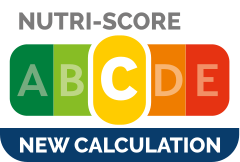 Average nutritional quality
Nutri-Score data warning
Nutrient levels
Fat in moderate quantity (16.7%)
Saturated fat in high quantity (11.1%)
Sugars in low quantity (0%)
Salt in low quantity (0.00319%)
Nutrition facts
| Nutrition facts | As sold for 100 g / 100 ml |
|---|---|
| Energy | 1930 kcal (461 kcal) |
| Fat | 16.7 g |
| Saturated fat | 11.1 g |
| Monounsaturated fat | 0 g |
| Polyunsaturated fat | 0 g |
| Omega 3 fat | 0 g |
| Omega 6 fat | 0 g |
| Trans fat | 0 g |
| Cholesterol | 0.0567 mg |
| Carbohydrates | 55.6 g |
| Sugars | 0 g |
| Glucose | 0 g |
| Fructose | 0 g |
| Lactose | 0 g |
| Dietary fiber | 11 g |
| Proteins | 22.2 g |
| Salt | 0.00319 mg |
| Sodium | 0.00128 mg |
| Alcohol | 0 % vol |
| Vitamin A | 0.000000000333 µg |
| Vitamin D | 0 µg |
| Vitamin E | 0 mg |
| Vitamin K | 0 µg |
| Vitamin C | 0.0000133 mg |
| Vitamin B1 | 0 mg |
| Vitamin B2 | 0 mg |
| Vitamin PP | 0 mg |
| Vitamin B6 | 0 mg |
| Vitamin B9 | 0 µg |
| Vitamin B12 | 0 µg |
| Pantothenic acid | 0 mg |
| Potassium | 0 mg |
| Calcium | 0.000223 mg |
| Phosphorus | 0 mg |
| Iron | 0.000004 mg |
| Magnesium | 0 mg |
| Zinc | 0 mg |
| Copper | 0 mg |
| Manganese | 0 mg |
| Fluoride | 0 µg |
| Selenium | 0 µg |
| Iodine | 0 µg |
| Caffeine | 0 mg |
| Fruits, vegetables and legumes | ? |
Nutrition facts (Detailed data)
| Nutrition facts | As sold for 100 g / 100 ml | As sold Per serving (legacy) |
|---|---|---|
| Energy | 1930 kcal (461 kcal) | 579 kcal (138 kcal) |
| Fat | 16.7 g | 5 g |
| Saturated fat | 11.1 g | 3.33 g |
| Monounsaturated fat | 0 g | 0 g |
| Polyunsaturated fat | 0 g | 0 g |
| Omega 3 fat | 0 g | 0 g |
| Omega 6 fat | 0 g | 0 g |
| Trans fat | 0 g | 0 g |
| Cholesterol | 0.0567 mg | 0.017 mg |
| Carbohydrates | 55.6 g | 16.67 g |
| Sugars | 0 g | 0 g |
| Glucose | 0 g | 0 g |
| Fructose | 0 g | 0 g |
| Lactose | 0 g | 0 g |
| Dietary fiber | 11 g | 3.3 g |
| Proteins | 22.2 g | 6.67 g |
| Salt | 0.00319 mg | 0.0009575 mg |
| Sodium | 0.00128 mg | 0.000383 mg |
| Alcohol | 0 % vol | 0 % vol |
| Vitamin A | 0.000000000333 µg | 0.0000000000999 µg |
| Vitamin D | 0 µg | 0 µg |
| Vitamin E | 0 mg | 0 mg |
| Vitamin K | 0 µg | 0 µg |
| Vitamin C | 0.0000133 mg | 0.000004 mg |
| Vitamin B1 | 0 mg | 0 mg |
| Vitamin B2 | 0 mg | 0 mg |
| Vitamin PP | 0 mg | 0 mg |
| Vitamin B6 | 0 mg | 0 mg |
| Vitamin B9 | 0 µg | 0 µg |
| Vitamin B12 | 0 µg | 0 µg |
| Pantothenic acid | 0 mg | 0 mg |
| Potassium | 0 mg | 0 mg |
| Calcium | 0.000223 mg | 0.000067 mg |
| Phosphorus | 0 mg | 0 mg |
| Iron | 0.000004 mg | 0.0000012 mg |
| Magnesium | 0 mg | 0 mg |
| Zinc | 0 mg | 0 mg |
| Copper | 0 mg | 0 mg |
| Manganese | 0 mg | 0 mg |
| Fluoride | 0 µg | 0 µg |
| Selenium | 0 µg | 0 µg |
| Iodine | 0 µg | 0 µg |
| Caffeine | 0 mg | 0 mg |
| Fruits, vegetables and legumes | ? | ? |
Serving size
Ingredients
Ingredients list
Ingredient information
Allergens
Ingredients analysis
Palm oil content unknown
Contains non-vegan ingredients.
Unrecognized: en:refried-beans, en:pico-de-gallo, en:pepperjack-cheese, en:potato-starc
Contains non-vegetarian ingredients.
Unrecognized: en:refried-beans, en:pico-de-gallo, en:pepperjack-cheese, en:potato-starc
Food Processing
NOVA group
 Processed foods
Elements that indicate the product is in NOVA group 3
How NOVA works
Additives
Environment
Green-Score, origins bonus, and transportation impact are shown for Worldwide .
Green Score
Overall grade
 Unknown environmental impact
About Green-Score
Current scope
Green-Score availability
Bonuses and maluses
Declared origins
Packaging impact
Packaging
Packaging impact
Data precision
Transportation
Declared origins
Data Source
Product data comes from Open Food Facts. Food Benchmark also adds translations, category comparisons and explanatory calculations.
The database is licensed under ODbL 1.0, individual contents under DbCL 1.0, and product photos under CC BY-SA 3.0.
Product added on March 9, 2017 at 4:57:35 PM UTC by usda-ndb-import .
Product page also edited by openfoodfacts-contributors, org-database-usda, usda-ndb-import.
Source List
- usda-ndb
- database-usda