
Whole Grain Mixed Grain Cereal
Health
Nutrition
Nutri-Score
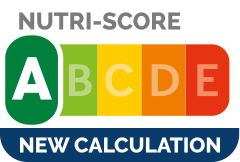 Very good nutritional quality
Nutri-Score data warning
Nutrient levels
Fat in low quantity (0%)
Sugars in low quantity (0%)
Salt in low quantity (0%)
Nutrition facts
| Nutrition facts | As sold for 100 g / 100 ml |
|---|---|
| Energy | 7690 kcal (1840 kcal) |
| Fat | 0 g |
| Saturated fat | ? |
| Trans fat | 0 g |
| Carbohydrates | 408 g |
| Sugars | 0 g |
| Dietary fiber | 50.7 g |
| Proteins | 51 g |
| Salt | 0 g |
| Sodium | 0 g |
| Vitamin A | 0.00000000765 µg |
| Vitamin C | 0 mg |
| Vitamin B1 | 0.000193 mg |
| Vitamin B2 | 0.000217 mg |
| Vitamin PP | 0.255 mg |
| Vitamin B6 | 0.0000255 mg |
| Vitamin B9 | 0.0000000001 µg |
| Vitamin B12 | 0.0000000000765 µg |
| Calcium | 0.00765 mg |
| Iron | 0.000275 mg |
| Zinc | 0.000191 mg |
| Fruits, vegetables and legumes | ? |
Nutrition facts (Detailed data)
| Nutrition facts | As sold for 100 g / 100 ml | As sold Per serving (legacy) |
|---|---|---|
| Energy | 7690 kcal (1840 kcal) | 1076 kcal (257 kcal) |
| Fat | 0 g | 0 g |
| Saturated fat | ? | ? |
| Trans fat | 0 g | 0 g |
| Carbohydrates | 408 g | 57.14 g |
| Sugars | 0 g | 0 g |
| Dietary fiber | 50.7 g | 7.1 g |
| Proteins | 51 g | 7.14 g |
| Salt | 0 g | 0 g |
| Sodium | 0 g | 0 g |
| Vitamin A | 0.00000000765 µg | 0.0000000010713 µg |
| Vitamin C | 0 mg | 0 mg |
| Vitamin B1 | 0.000193 mg | 0.000027 mg |
| Vitamin B2 | 0.000217 mg | 0.000030357 mg |
| Vitamin PP | 0.255 mg | 0.035714 mg |
| Vitamin B6 | 0.0000255 mg | 0.000003571 mg |
| Vitamin B9 | 0.0000000001 µg | 0.000000000014 µg |
| Vitamin B12 | 0.0000000000765 µg | 0.00000000001071 µg |
| Calcium | 0.00765 mg | 0.001071 mg |
| Iron | 0.000275 mg | 0.00003857 mg |
| Zinc | 0.000191 mg | 0.00002679 mg |
| Fruits, vegetables and legumes | ? | ? |
Serving size
Ingredients
Ingredients list
Ingredient information
Allergens
Ingredients analysis
No ingredients containing palm oil.
Vegan status unknown
Unrecognized: en:ferric-diphosphate, en:zinc-oxide, en:d-alpha-tocopheryl-acetate, en:vitamin-e, en:thiamin, en:cyanocobalamin, en:vitamin-b12
Vegetarian status unknown
Unrecognized: en:ferric-diphosphate, en:zinc-oxide, en:d-alpha-tocopheryl-acetate, en:vitamin-e, en:thiamin, en:cyanocobalamin, en:vitamin-b12
Food Processing
NOVA group
 Ultra-processed food and drink products
Elements that indicate the product is in NOVA group 4
How NOVA works
Additives
E1100 - Alpha-Amylase
An amylase () is an enzyme that catalyses the hydrolysis of starch into sugars. Amylase is present in the saliva of humans and some other mammals, where it begins the chemical process of digestion. Foods that contain large amounts of starch but little sugar, such as rice and potatoes, may acquire a slightly sweet taste as they are chewed because amylase degrades some of their starch into sugar. The pancreas and salivary gland make amylase (alpha amylase) to hydrolyse dietary starch into disaccharides and trisaccharides which are converted by other enzymes to glucose to supply the body with energy. Plants and some bacteria also produce amylase. As diastase, amylase was the first enzyme to be discovered and isolated (by Anselme Payen in 1833). Specific amylase proteins are designated by different Greek letters. All amylases are glycoside hydrolases and act on α-1,4-glycosidic bonds.
E450 - Diphosphates EFSA overexposure risk: highEmulsifierHumectantSequestrantStabiliserThickener
Diphosphates (E450) are food additives often utilized to modify the texture of products, acting as leavening agents in baking and preventing the coagulation of canned food.
These salts can stabilize whipped cream and are also found in powdered products to maintain their flow properties. They are commonly present in baked goods, processed meats, and soft drinks.
Derived from phosphoric acid, they're part of our daily phosphate intake, which often surpasses recommended levels due to the prevalence of phosphates in processed foods and drinks.
Excessive phosphate consumption is linked to health issues, such as impaired kidney function and weakened bone health. Though diphosphates are generally regarded as safe when consumed within established acceptable daily intakes, it's imperative to monitor overall phosphate consumption to maintain optimal health.
Environment
Green-Score, origins bonus, and transportation impact are shown for Worldwide .
Green Score
Overall grade
 Unknown environmental impact
About Green-Score
Current scope
Green-Score availability
Bonuses and maluses
Declared origins
Packaging impact
Packaging
Packaging impact
Data precision
Transportation
Declared origins
Data Source
Product data comes from Open Food Facts. Food Benchmark also adds translations, category comparisons and explanatory calculations.
The database is licensed under ODbL 1.0, individual contents under DbCL 1.0, and product photos under CC BY-SA 3.0.
Product added on March 9, 2017 at 11:54:24 AM UTC by usda-ndb-import .
Product page also edited by openfoodfacts-contributors, usda-ndb-import.
Source List